
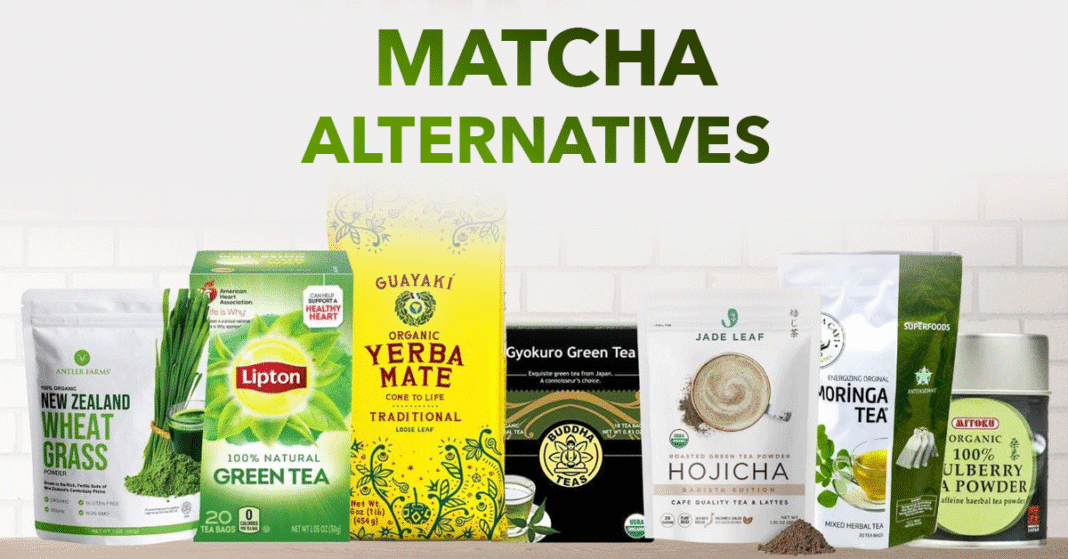
We’re well aware there has been a global matcha craze the last few years, and we’re all for it.
But if you’re looking for more or simply feeling adventurous, there’s an array of fresh and vibrant options waiting to be discovered out there. Whether you’re after that similar green hue or similar textures and set of health perks, here are some alternatives for you to explore.
Which of these could be a close contender?
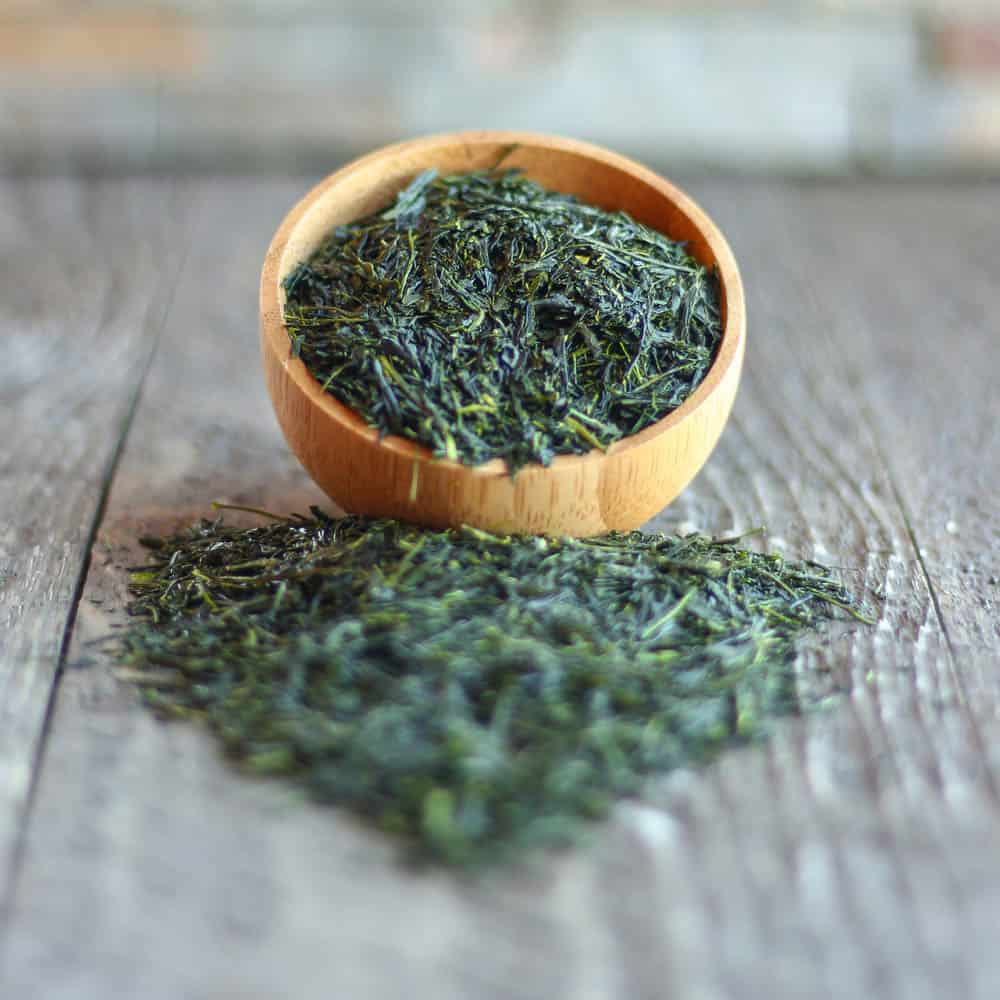
Gyokuro
Origin: Japan
Base Ingredient: Made with the earliest leaf buds of the spring harvest
Color & Appearance: Deep green leaves and tea infusion
Flavor: Sweet, umami, earthy
Nutritional Value: High in L-Theanine, vitamins (C,A), catechins
Caffeine Content: High
Health Benefits: Rich in antioxidants, supports metabolism, enhances mental clarity and relaxation
Notable drawbacks: May be too caffeinated for some
Hojicha
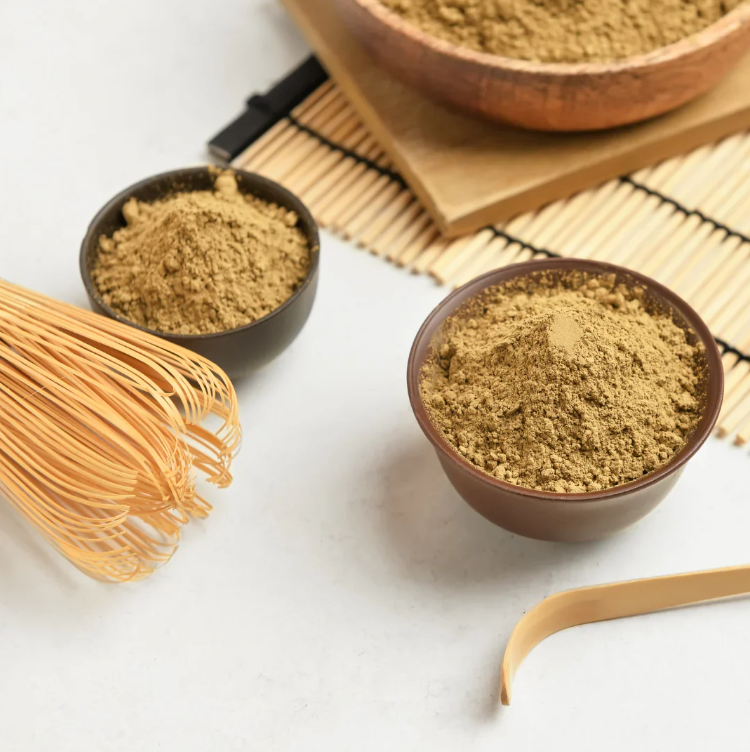
Origin: Japan
Base Ingredient: Roasted green tea leaves
Color & Appearance: Brown powder/tea leaves
Flavor: Rich, nutty, smoky
Nutritional Value: Catechins, L-Theanine, vitamin C
Caffeine Content: Low
Health Benefits: Calming,
Notable drawbacks: Much lower antioxidant and catechin content
Mulberry Leaf Powder (Kuwa Matcha)
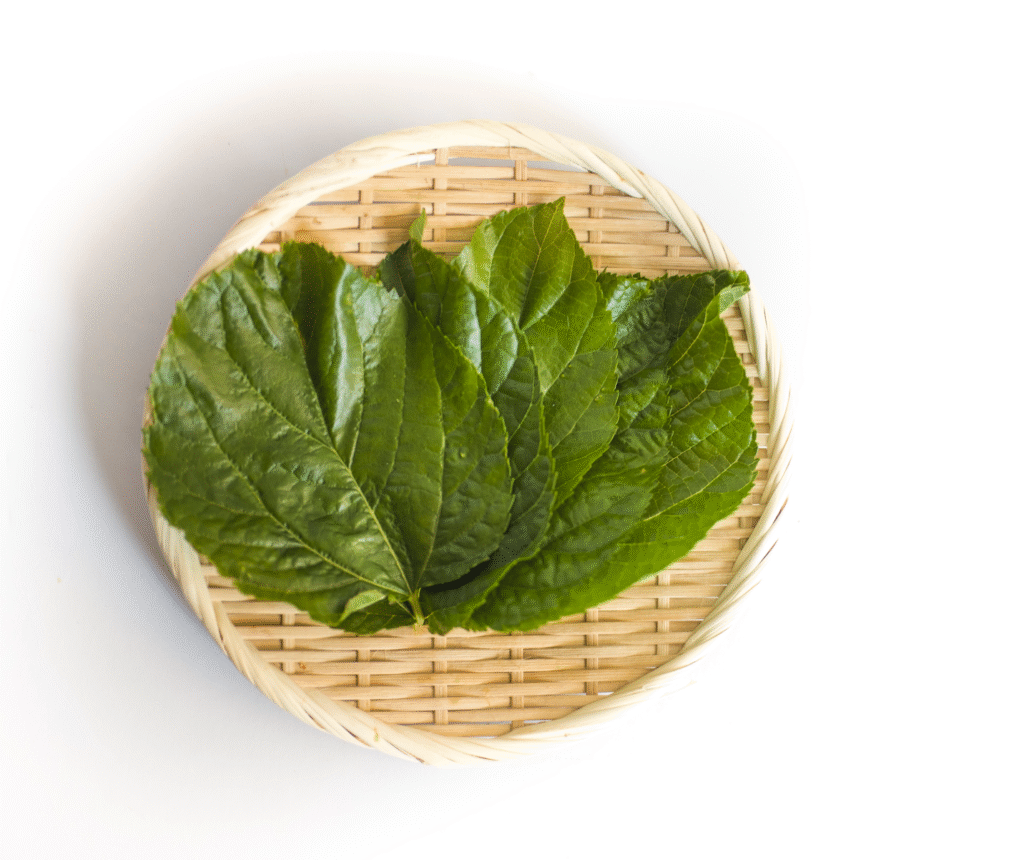
Origin: Japan
Base Ingredient: Mulberry leaves
Color & Appearance: Bright green powder, similar to matcha powder
Flavor: Mild, natural sweetness, slight earthiness
Nutritional Value: Rich in vitamin C, calcium, iron
Caffeine Content: None
Health Benefits: Antioxidant-rich, aids blood sugar control, immunity booster
Notable drawbacks: Some may find to have a milder taste, and not readily available in shops
Moringa Powder
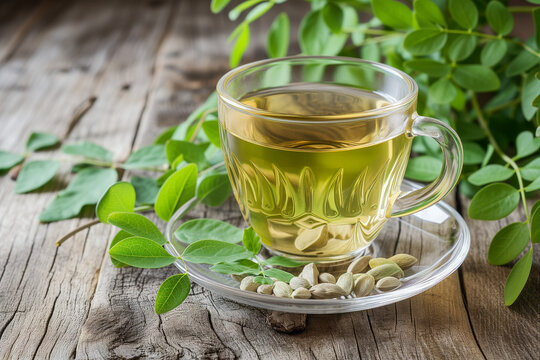
Origin: Native to Himalayan region in India, also grown in tropical and subtropical regions
Base Ingredient: Dried moringa leaves
Color & Appearance: Bright green powder
Flavor: Slight bitterness, earthy, mildly grassy
Nutritional Value: Antioxidants, vitamin A, iron
Caffeine Content: None
Health Benefits: Anti-inflammatory, antioxidant, nutrient-dense, energy and immune aiding
Notable drawbacks: Excessive intake may cause GI upset or if sensitive to moringa
Wheatgrass
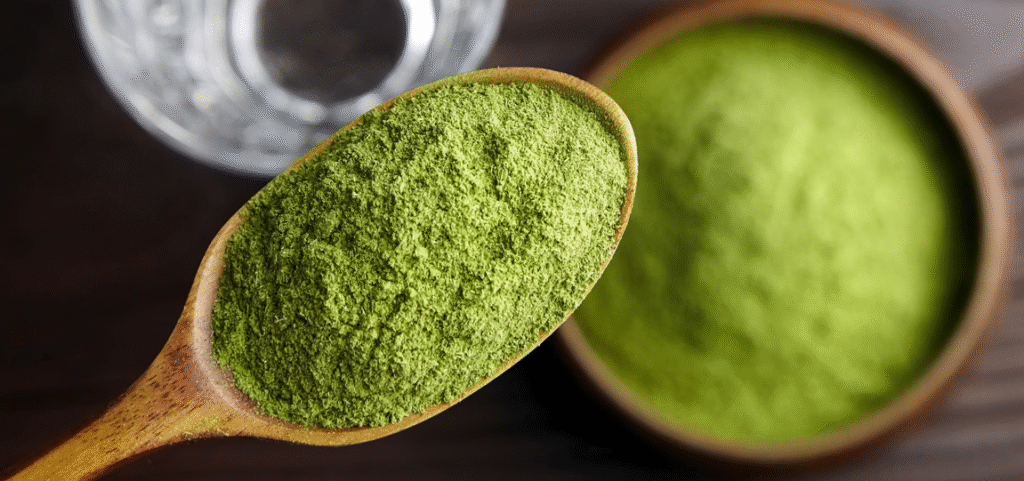
Origin: Western Asia, now widely cultivated
Base Ingredient: Young shoots of wheat plant
Color & Appearance: Vibrant green powder, juice
Flavor: Grassy, earthy, slightly biter
Nutritional Value: Chlorophyll, vitamin C, iron
Caffeine Content: None
Health Benefits: Promotes detoxifying process, supports digestive health, an immune booster, rich in nutrients and antioxidants
Notable drawbacks: Has a strong taste, can cause stomach upset, nausea if consumed in larger amounts
Yerba Mate
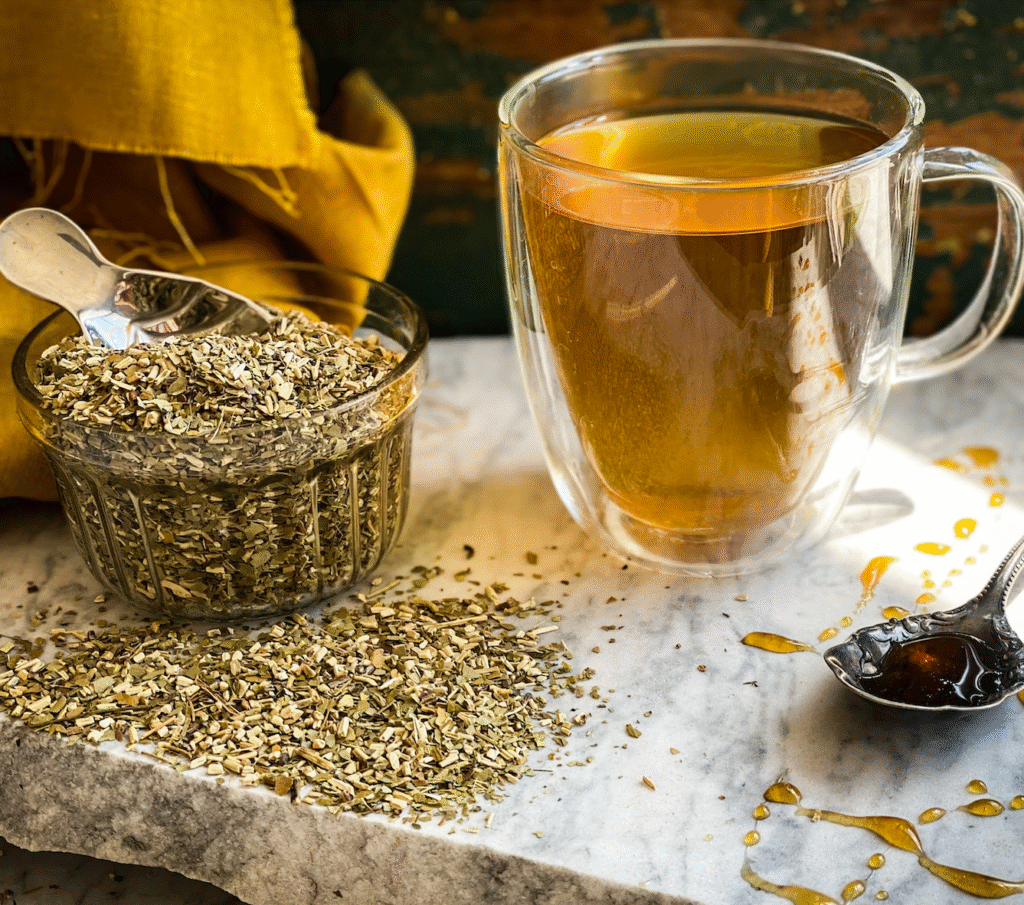
Origin: South America
Base Ingredients: Leaves of llex paraguariensis aka yerba mate
Color & Appearance: Dull green leaves
Flavor: Earthy, bitter
Nutritional Value: Antioxidants, saponins
Caffeine Content: High
Health Benefits: Promotes focus, boots energy, contains antioxidants, appetite control
Notable Drawbacks: High caffeine content may not be suitable for caffeine sensitive individuals