

Hong Kong has recorded its first imported case of chikungunya fever this year. A 12- year old boy contracted the virus after having traveled to Foshan in Guangdong Province from July 17-30, where there was an outbreak and he was exposed to mosquito bites while outdoors. He then experienced a fever, rash, and joint paint on July 31st. He sought medical attention from a private physician and was then referred to United Christian Hospital, where laboratory results confirmed chikgunya infection.
The city’s first chukgunya cases appeared in 2006, with five imported cases confirmed between 2006 and 2008, after the initial outbreak in Tanzania in 1952. From 2016 to 2019, imported cases ranging from one to eleven were recorded annually.
Chikungunya is a mosquito-borne virus that causes sudden onset of high fever and debilitating joint pain. Other common symptoms include rashes, muscle pain, headache, nausea, and fatigue. Fortunately, the virus is transmitted to humans by the bite of an infected Aedes mosquito, and not from person to person.
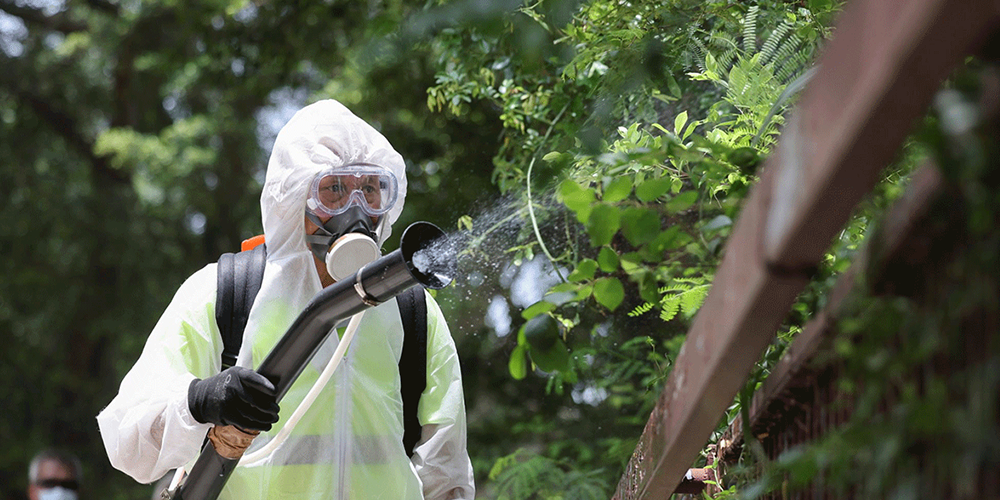
Members of the public should remain aware that numerous countries globally have reported chikungunya fever outbreaks this year, with likelihood of a continuous surge in cases. Hong Kong authorities are implementing targeted mosquito control measures by spraying adulticides, installing traps, treating breeding posts with larvicidal oil, and regularly clearing stagnant water and grass near drainage holes.
Key Preventative Measures:
- Apply insect repellent formulated with DEET or other EPA-approved ingredients to exposed skin and clothing
- Try to avoid mosquito bites: unlike malaria-carrying mosquitos (Anopheles), which bite mainly at night, Aedes mosquitoes are predominately daytime feeders with peak activity in the early morning or late afternoon. Stay away from damp areas with, and clear standing water frequently from gutters, pots, containers
- Keep your windows closed or install door screen, and choose places with air conditioning when possible
- Consult your healthcare provider and consider getting vaccinated (if available in your country), especially if traveling to regions with outbreaks. This vaccine may be more safer and more suitable for certain individuals
- Support your local mosquito control programs and join in community clean-ups to help reduce breeding sites